
Starting a business does not have to cost a lot of money. Some of the best small businesses begin at a kitchen table, with a laptop and a skill the owner already has.
If you want to earn extra money or build something of your own, a low-cost home business is a smart place to begin.
Here are ten ideas, plus advice on choosing the right one.
1. Freelance Writing

If you can write clearly, businesses need your help. Blogs, websites, product descriptions, and newsletters all need words.
Start by writing a few sample articles. Offer your services to local businesses, and build a small portfolio.
Your main costs are a computer and an internet connection, both of which you probably already have.
2. Virtual Assistant

Many busy business owners need help with emails, scheduling, data entry, and simple online tasks. A virtual assistant handles these jobs from home, usually for a few clients at a time.
Good organisation and clear communication matter more than special qualifications.
Start with one client, do reliable work, and ask for a recommendation.
3. Tutoring and Online Lessons

If you are good at a school subject, a language, music, or a practical skill, you can teach it.
Parents pay for extra help in maths, English, and science, and adults pay to learn new skills too. You can teach in person in your area or online from your home.
A simple profile on a tutoring site or a local community group is often enough to find your first students.
4. Handmade Crafts and Products

Handmade candles, jewellery, soap, greetings cards, and home decorations sell well online and at local markets.
Your start-up costs are your materials and a small amount of packaging. Take clear, bright photographs of your products and show them in use.
Price your work to cover materials, time, and profit. Read our beginner’s guide to how to start a small business before you take your first order.
5. Home Baking and Food

Good cakes, bread, and snacks are always in demand for birthdays, weddings, and local events.
If you enjoy cooking, you can start with orders from friends and neighbours. Check your local food rules first — some areas need a food hygiene certificate or a home kitchen inspection.
Keep your menu small and take orders in advance so you never waste food. Happy customers will order again and tell their friends.
6. Cleaning Service
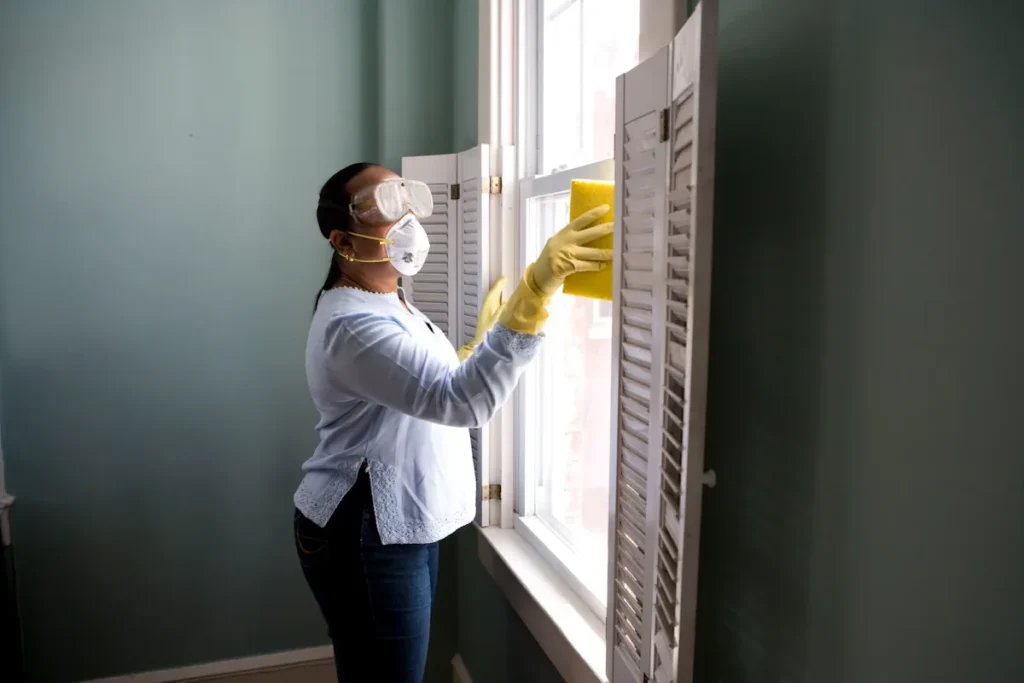
A home cleaning service needs little more than cleaning supplies, a car, and a trustworthy manner.
Many households and small offices want regular cleaning but do not want to hire a large company. Start with a few homes in your area, offer a clear list of what you clean, and charge a fair hourly rate.
Turn up on time and do a thorough job, and clients will recommend you.
7. Pet Sitting and Dog Walking

Pet owners need help while they work or travel, and they pay well for someone they trust.
Dog walking, pet sitting, and feeding visits are simple services to start. You need no office and no stock — just time, care, and local knowledge.
Start by helping pet owners near you, keep a simple booking list, and ask for reviews.
8. Social Media Management

Small businesses know they should post on social media, but many owners do not have the time. If you understand one or two platforms well, you can help.
You can plan posts, write captions, and reply to comments. Start with one small local business and show them what regular posting can do.
Learn more about promoting your work in our marketing articles.
9. Online Reselling

Reselling means buying used or low-priced items and selling them online for a profit.
Clothes, books, toys, electronics, and vintage items all sell well when they are clean and photographed clearly. Start with things you already own, and learn what sells in your area.
Reinvest your profits. Keep records of what you paid and earned.
10. Gardening and Yard Help

Many homeowners need help with mowing, weeding, trimming, and seasonal clean-ups, but they do not want a large landscaping company. If you enjoy working outdoors, this is a practical low-cost start.
You need basic tools, transport, and a willingness to work in all weather. Offer a clear price for each job and keep a regular schedule.
How to Choose the Right Idea for You

Do not choose an idea only because it sounds profitable. Choose one that fits your skills, your available time, and your budget.
Ask yourself three questions: Do I enjoy this work enough to do it every week? Can I reach customers easily from home? Can I start it for very little money?
If the answer to all three is yes, you have a good starting point.
Practical Tips to Get Started

- Test your idea with three paying customers before you spend much money.
- Keep your business money separate from day one. Our finance articles explain why.
- Tell everyone you know what you do, and ask happy customers for reviews.
- Start with a simple price that covers your costs and your time.
Conclusion

A low-cost business from home is one of the safest ways to start. You keep your risk small, you learn as you earn, and you can grow at your own pace.
Pick one idea from this list, talk to three potential customers, and take your first small step this week.
Leave a Reply